Industrial pipe manufacturing
Industrial piping systems play a critical role in many industries, including manufacturing, oil and gas, chemical processing, and water treatment. Proper installation and regular maintenance are essential to ensure safety, efficiency, and long-term performance.
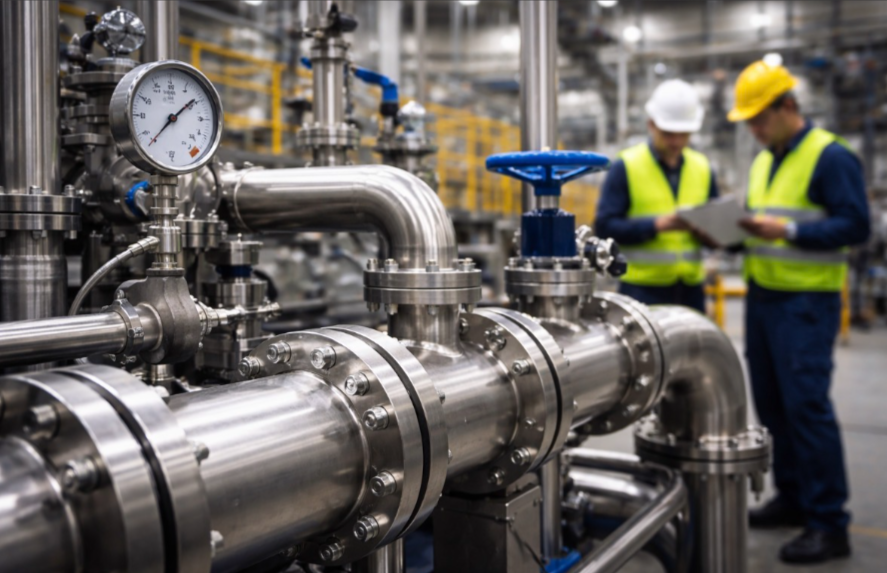
Correct installation is the foundation of a reliable piping system. Poor installation can lead to leaks, pressure loss, corrosion, and costly downtime. Following industry standards and best practices helps extend the lifespan of pipes and reduces operational risks.
1. Select the Right Pipe Material
Choosing the correct material is crucial. Common industrial piping materials include carbon steel, stainless steel, PVC, CPVC, and HDPE. Each material offers different benefits depending on temperature, pressure, chemical exposure, and application.
2. Follow Industry Codes and Standards
Always comply with recognized standards such as ASME, ASTM, ANSI, or ISO. These regulations ensure safety, quality, and consistency throughout the installation process.
3. Proper Pipe Alignment and Support
Pipes must be properly aligned and adequately supported to prevent stress, vibration, and sagging. Using correct pipe supports, hangers, and anchors helps maintain system stability.
4. Use Qualified Installation Techniques
Welding, threading, or joining methods should be performed by trained professionals. Poor joints are one of the main causes of system failure in industrial piping.
5. Pressure Testing Before Operation
Before putting the system into service, conduct pressure and leak tests. This step helps identify weaknesses or installation errors early, preventing future failures.
1. Perform Regular Inspections
Routine visual inspections help detect corrosion, leaks, misalignment, or wear. Early detection minimizes repair costs and prevents unexpected shutdowns.
2. Monitor Corrosion and Erosion
Industrial environments often expose pipes to harsh conditions. Implement corrosion protection methods such as coatings, linings, or cathodic protection when necessary.
3. Clean Pipes Periodically
Debris, scale, and residue buildup can reduce flow efficiency and increase pressure. Regular cleaning ensures optimal performance and extends pipe life.
4. Replace Damaged or Aging Components
Do not delay replacing worn-out pipes, fittings, or valves. Preventive replacement is more cost-effective than emergency repairs.
5. Keep Detailed Maintenance Records
Maintaining accurate documentation of inspections, repairs, and replacements helps improve maintenance planning and regulatory compliance.
• Increased system reliability and safety
• Reduced downtime and repair costs
• Extended service life of industrial pipes
• Improved operational efficiency
• Compliance with safety and industry regulations
Installing and maintaining industrial piping systems according to best practices is essential for long-term performance and safety. By selecting the right materials, following industry standards, and implementing a proactive maintenance strategy, businesses can ensure efficient operations and protect their infrastructure investment.