Industrial pipe manufacturing
Industrial piping systems are essential for transporting fluids and gases across a wide range of industries. However, despite their importance, these systems often face challenges that can impact efficiency, safety, and operational costs. Understanding these common issues—and how to address them—can make a significant difference in overall performance.
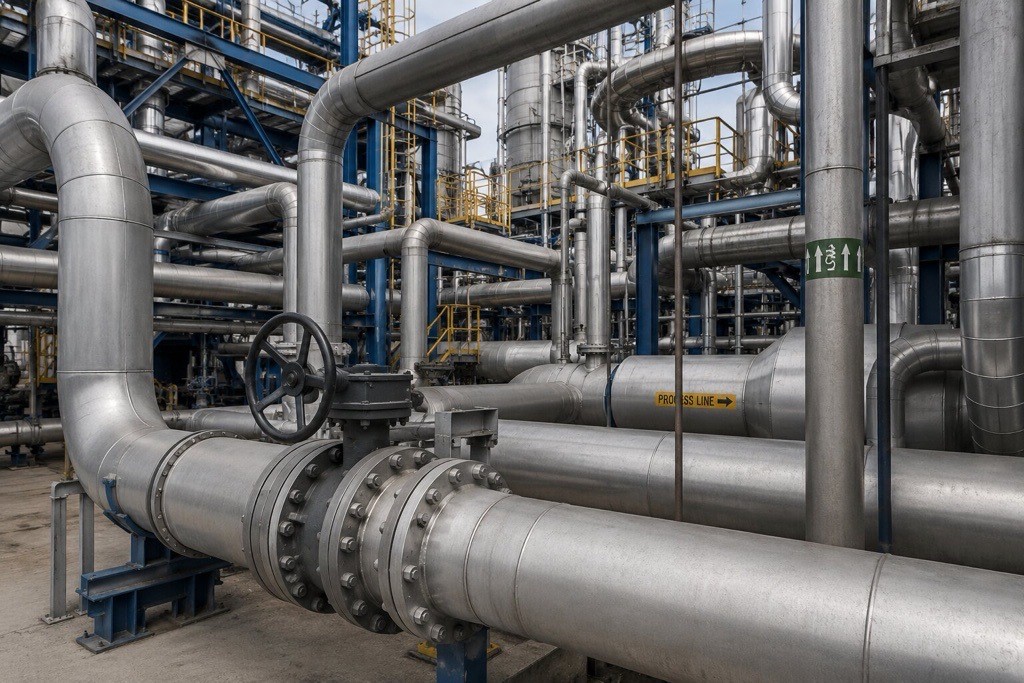
One of the most frequent problems in industrial piping is corrosion. Exposure to moisture, chemicals, and extreme temperatures can gradually weaken pipe materials.
How to solve it:
Use corrosion-resistant materials such as stainless steel or specialized alloysApply protective coatings and liningsConduct regular inspections to detect early signs of damagePreventing corrosion not only extends the life of the system but also reduces the risk of leaks and failures.
Inefficient flow is another common issue. Pressure drops can occur due to poor design, blockages, or improper pipe sizing.
How to solve it:
Optimize pipe diameter and layout during the design phaseMinimize unnecessary bends and fittingsRegularly clean pipelines to prevent buildupMaintaining proper flow ensures consistent performance and reduces energy consumption.
Leaks are not only costly but can also pose serious safety and environmental risks. They often result from poor installation, worn seals, or excessive pressure.
How to solve it:
Use high-quality fittings and sealing materialsEnsure proper installation by trained professionalsImplement routine leak detection and maintenance programsEarly detection is key to preventing larger, more expensive issues.
Temperature changes can cause pipes to expand and contract, leading to stress on joints and supports. Over time, this can result in structural damage.
How to solve it:
Install expansion joints or loopsUse flexible supports and proper anchoring systemsDesign systems to accommodate temperature variationsAddressing thermal stress improves both safety and system longevity.
In many facilities, maintenance is either reactive or inconsistent, leading to unexpected downtime and costly repairs.
How to solve it:
Implement preventive and predictive maintenance strategiesUse monitoring systems to track performance in real timeSchedule regular inspections and servicingA proactive approach reduces downtime and improves reliability.ConclusionIndustrial piping systems face a variety of challenges, but most can be effectively managed with the right strategies. By focusing on proper material selection, smart design, and consistent maintenance, companies can overcome these obstacles and ensure optimal performance.Addressing these issues is not just about fixing problems—it’s about building a more efficient, safe, and resilient operation for the future.