Industrial pipe manufacturing
Because every industry has different operational needs, various types of pipes are used depending on factors such as pressure, temperature, corrosion resistance, and durability. Understanding the most common types of industrial piping can help businesses choose the right solution for their operations.
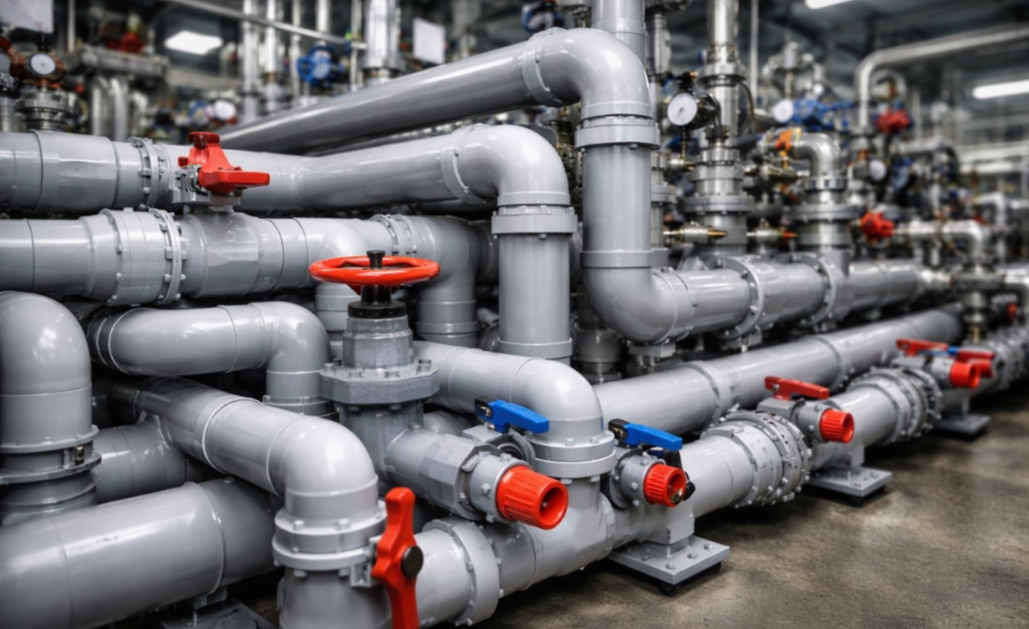
Industrial piping systems play a crucial role in many industries, including manufacturing, energy, oil and gas, water treatment, and construction. These systems are responsible for transporting liquids, gases, and other materials safely and efficiently throughout facilities.
Because every industry has different operational needs, various types of pipes are used depending on factors such as pressure, temperature, corrosion resistance, and durability. Understanding the most common types of industrial piping can help businesses choose the right solution for their operations.
Carbon steel pipes are one of the most widely used materials in industrial piping systems. They are known for their strength, durability, and ability to withstand high pressure and temperature.These pipes are commonly used in:
• Oil and gas transportation
• Power plants
• Industrial processing systemsCarbon steel pipes are particularly suitable for applications where high mechanical strength is required.
2. Stainless Steel Pipes
Stainless steel piping is valued for its corrosion resistance and long lifespan. This material performs well in environments where exposure to chemicals, moisture, or extreme temperatures is common.Common applications include:
• Food and beverage processing
• Pharmaceutical manufacturing
• Chemical plantsBecause stainless steel is hygienic and resistant to contamination, it is widely used in industries with strict sanitary standards.
PVC and other plastic pipes are lightweight, cost-effective, and resistant to corrosion. They are often used in systems that require efficient fluid transport without the need for heavy-duty materials.Typical uses include:
• Water distribution systems
• Drainage systems
• Chemical transport in certain environmentsPlastic piping is also easier to install and maintain compared to metal alternatives.
Copper pipes are known for their excellent thermal conductivity and corrosion resistance. Although they are often associated with residential plumbing, they are also used in specific industrial applications.They are commonly found in:
• HVAC systems
• Cooling systems
• Refrigeration systems
Copper’s durability and reliability make it an effective option in temperature-controlled environments.
Selecting the right type of industrial piping depends on several factors, including the type of material being transported, pressure requirements, environmental conditions, and maintenance considerations. Proper pipe selection ensures safety, efficiency, and long-term performance.As industries continue to evolve, modern piping solutions are becoming more advanced, offering improved durability, corrosion resistance, and efficiency for demanding industrial operations.success and environmental responsibility for the future.