Industrial pipe manufacturing
In this guide, we’ll cover the most common materials, key industry standards, and essential safety requirements.
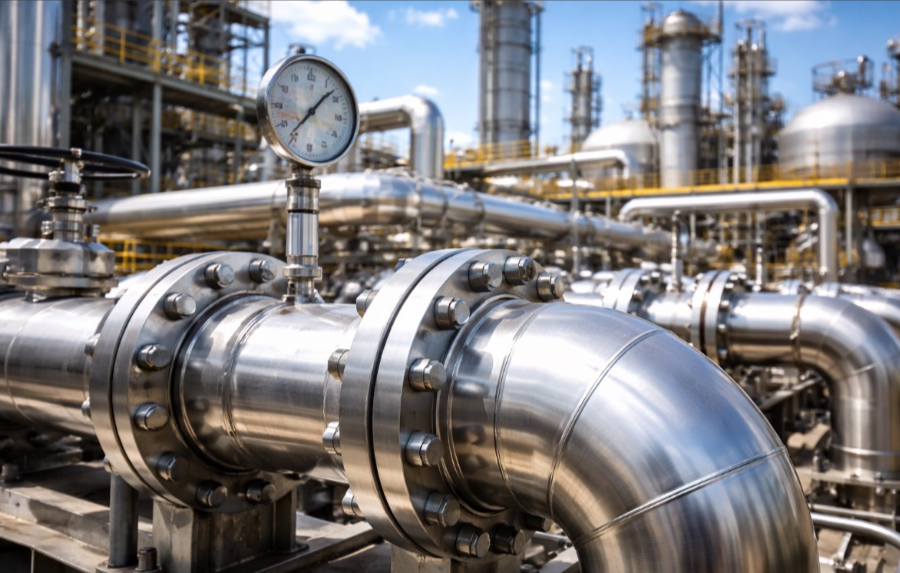
High-pressure industrial pipes are specifically designed to transport fluids or gases under extreme pressure conditions. These systems must withstand high stress, temperature fluctuations, and corrosive environments without compromising structural integrity.They are commonly used in:
• Oil & gas pipelines
• Chemical plants
• Hydraulic systems
• Power plants
• Industrial manufacturing facilities
Choosing the right material is essential for durability and safety. The most common options include:
1. Carbon Steel Pipes
Carbon steel is widely used due to its strength, durability, and cost-effectiveness. It is ideal for high-pressure applications where corrosion is not a major concern.
2. Stainless Steel Pipes
Stainless steel offers superior corrosion resistance and is suitable for chemical processing and high-temperature environments.
3. Alloy Steel Pipes
Alloy steel contains additional elements such as chromium and molybdenum to enhance strength and heat resistance, making it ideal for extreme pressure and temperature conditions.
4. Duplex and Super Duplex Steel
These materials provide exceptional strength and corrosion resistance, commonly used in offshore and marine applications.
Compliance with industry standards ensures safety and performance. Some of the most recognized standards include:
• ASME B31.3 – Process Piping
• ASTM specifications for material quality
• API standards for oil & gas applications
• ANSI pressure ratingsMeeting these standards guarantees that industrial pipes can safely handle the required pressure levels.
To maintain safe high-pressure piping systems:
• Conduct regular inspections and pressure testing
• Ensure proper pipe sizing and wall thickness calculations
• Use certified materials from reliable suppliers
• Follow proper welding and installation procedures
• Implement preventive maintenance programsFailure to follow safety protocols can result in leaks, equipment damage, or serious accidents.
Selecting the right high-pressure industrial pipes is crucial for operational efficiency and workplace safety. By choosing high-quality materials, complying with industry standards, and implementing strict safety measures, companies can ensure long-lasting and reliable piping systems.
If you’re looking for durable and certified industrial pipes and tubing, working with an experienced supplier can make all the difference.