Industrial pipe manufacturing
Industrial pipes play a critical role in a wide range of industries, from construction and manufacturing to oil, gas, and water treatment. Understanding the different materials, sizes, and uses of industrial piping systems is essential to ensure safety, efficiency, and long-term performance in any project.
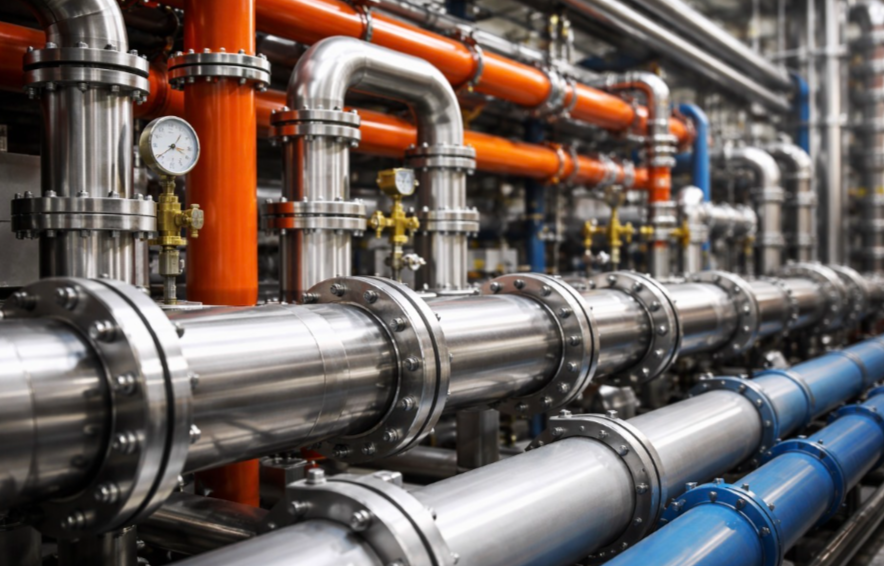
Industrial pipes are tubular components designed to transport liquids, gases, or solids under specific pressure and temperature conditions. Unlike residential piping, industrial pipes are engineered to withstand extreme environments, heavy loads, and corrosive substances.
Choosing the right material is one of the most important decisions in any industrial piping system.
The most commonly used materials include:
Steel Pipes
Steel pipes are widely used due to their strength and durability. They are ideal for high-pressure and high-temperature applications such as oil and gas, power plants, and heavy manufacturing.
Stainless Steel Pipes
Stainless steel offers excellent corrosion resistance, making it suitable for chemical processing, food production, and pharmaceutical industries where hygiene and purity are critical.
PVC and Plastic Pipes
Plastic pipes are lightweight, cost-effective, and resistant to corrosion. They are commonly used in water supply systems, drainage, and low-pressure industrial applications.
Copper Pipes
Copper pipes are known for their thermal conductivity and corrosion resistance. They are often used in HVAC systems and certain industrial fluid transport applications.
Industrial pipe sizes are standardized to ensure compatibility and proper flow control. Pipe sizing typically involves:
• Nominal Pipe Size (NPS): A standard measurement used mainly in North America.
• Pipe Schedule: Indicates wall thickness and pressure capacity.
• Outside and Inside Diameter: Determines flow rate and system efficiency.Selecting the correct pipe size helps prevent pressure loss, leaks, and system failure.
Industrial piping systems are used across many sectors, including:
• Oil and Gas: Transportation of crude oil, natural gas, and refined products.
• Manufacturing Plants: Movement of chemicals, steam, and raw materials.
• Water and Wastewater Treatment: Distribution and disposal systems.
• Construction and Infrastructure: Structural support and utility networks.
• Food and Beverage Industry: Hygienic transport of liquids and gases.
Using the correct pipe material and size improves system efficiency, reduces maintenance costs, and extends the lifespan of the installation. Poor pipe selection can lead to leaks, corrosion, downtime, and safety risks.
Industrial pipes are a fundamental component of modern industry. By understanding the materials, sizes, and uses of industrial piping systems, businesses can make informed decisions that ensure reliable performance and long-term success. Proper planning and expert guidance are key to selecting the right piping solution for any industrial application.