Industrial pipe manufacturing
Today, the role of piping has evolved far beyond simple transportation. It is now a critical component in optimizing performance, reducing environmental impact, and ensuring operational continuity.
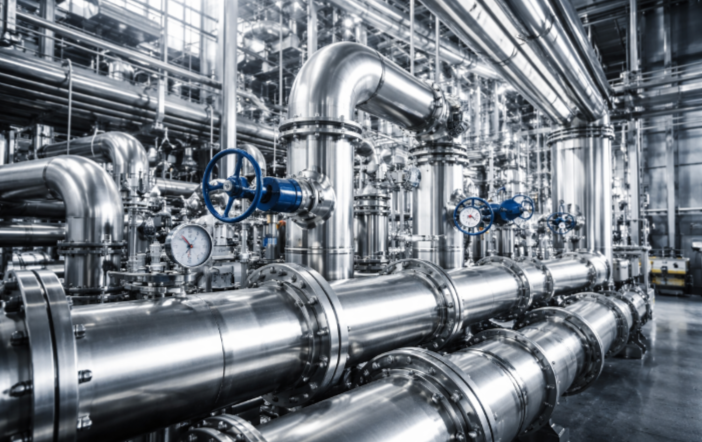
The Evolution of Industrial Piping
Traditional piping systems were primarily designed for durability and basic functionality. Materials like carbon steel dominated the landscape, offering strength but often lacking flexibility and resistance to corrosion.Modern systems, however, incorporate a wide range of advanced materials such as stainless steel, PVC, HDPE, and composite alloys. These materials are engineered to withstand extreme temperatures, pressures, and chemical exposure, while also extending the lifespan of infrastructure.Additionally, innovations in design—such as modular piping and prefabrication—have significantly reduced installation time and costs. Companies can now deploy complex systems faster, with greater accuracy and fewer on-site complications.
Efficiency Through Smart Design
Efficiency in industrial operations often comes down to minimizing waste—whether it’s energy, materials, or time. Well-designed piping systems play a crucial role in achieving this.Key factors include:
• Optimized Flow Dynamics:
Proper pipe sizing and routing reduce friction losses and improve flow rates.
• Leak Prevention:
Advanced sealing technologies and high-quality fittings minimize leaks, saving both resources and money.
• Thermal Management:
Insulated piping helps maintain temperature stability, reducing energy consumption in heating or cooling processes.These improvements may seem incremental, but across large-scale operations, they result in substantial cost savings and increased productivity.
Sustainability and Environmental Impact
As industries face growing pressure to reduce their environmental footprint, piping systems are becoming central to sustainability efforts.Modern pipelines are designed to:
• Prevent contamination through corrosion-resistant materials
• Reduce emissions by ensuring airtight transport of gases
• Support recycling and water treatment processesMoreover, the use of recyclable materials and longer-lasting components contributes to a circular economy, reducing the need for frequent replacements and minimizing waste.
Safety: A Non-Negotiable Priority
In industries such as oil & gas, chemical processing, and manufacturing, safety is paramount. A single failure in a piping system can lead to severe consequences, including environmental damage, financial loss, and risks to human life.That’s why modern piping solutions emphasize:
• Rigorous testing and quality control
• Compliance with international safety standards
• Real-time monitoring through sensors and IoT integrationSmart piping systems can now detect pressure changes, temperature fluctuations, and potential leaks before they escalate into critical issues.
The Future of Piping Systems
Looking ahead, the integration of digital technologies will continue to transform the industry. Predictive maintenance powered by data analytics, automated inspection using drones, and AI-driven system optimization are no longer futuristic concepts—they are becoming standard practice.In this evolving landscape, companies that invest in advanced piping solutions will not only enhance their operational efficiency but also position themselves as leaders in innovation and sustainability.
Industrial piping may not always be visible, but its impact is undeniable. It supports the flow of essential resources, enables complex processes, and ensures the safe and efficient