Industrial pipe manufacturing
Industrial piping systems are designed to transport liquids, gases, and other materials under specific operating conditions. Whether used in manufacturing plants, chemical facilities, or energy production, these systems must maintain their integrity to ensure safe and reliable operations.
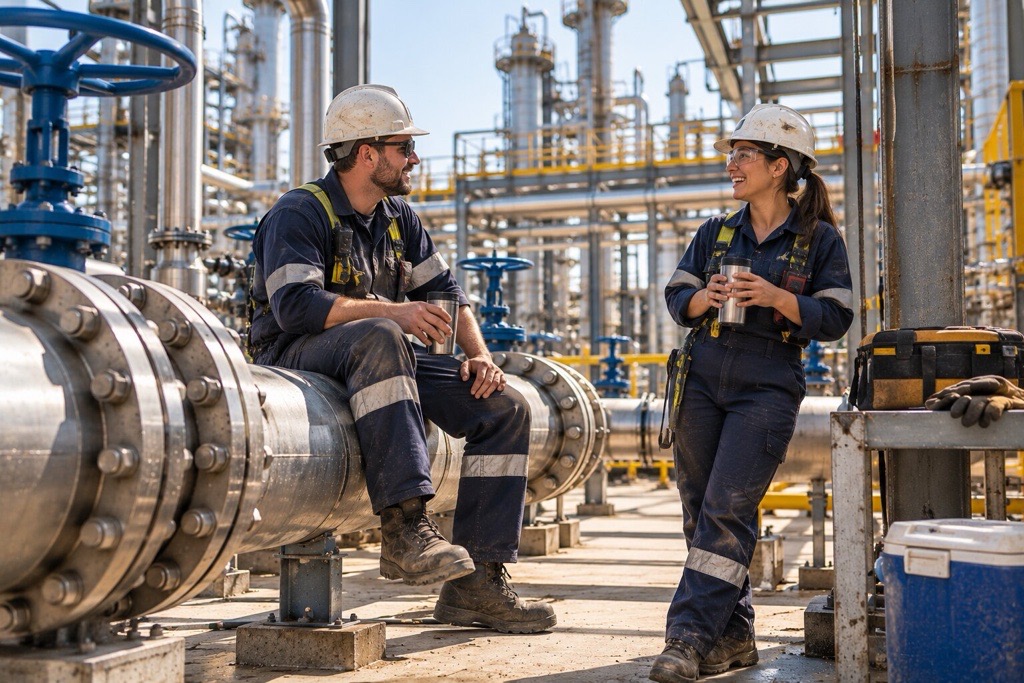
Pressure testing is a procedure used to evaluate the integrity of a piping system by exposing it to a controlled test pressure under established conditions.The objective is to identify leaks, verify pressure containment, and confirm that the system meets applicable design and safety requirements.
Testing is typically performed after installation or significant modifications, although additional testing may be required during maintenance or inspection activities. The appropriate procedure depends on the piping material, system design, operating conditions, and applicable engineering standards.
Two commonly used pressure testing methods are hydrostatic and pneumatic testing.Hydrostatic testing involves filling the piping system with water or another suitable liquid and applying pressure according to an approved testing procedure.Because liquids are relatively incompressible, hydrostatic testing generally presents less stored-energy risk than pneumatic testing. Pneumatic testing, on the other hand, uses compressed air or another suitable gas. It may be considered when liquid testing is impractical or incompatible with the system.However, pneumatic testing involves greater stored-energy hazards and requires additional safety precautions, careful planning, and appropriate engineering controls.
Even when industrial pipes are manufactured and installed according to specifications, defects can occasionally occur.Weld imperfections, damaged fittings, improperly assembled joints, or installation errors may affect system integrity.
Pressure testing helps identify certain weaknesses before the system enters normal service.Detecting these issues early allows maintenance and engineering teams to make necessary corrections before production begins, reducing the likelihood of unexpected interruptions.
Industrial piping systems frequently operate under demanding pressure and temperature conditions.A failure in a pressurized system can create serious hazards for employees, surrounding equipment, and the facility itself. Properly planned pressure testing helps verify that piping components can withstand the specified test conditions.Testing should always be conducted by qualified personnel using approved procedures, calibrated equipment, and appropriate safety measures.
Industrial pressure testing is governed by engineering codes and project specifications. Standards such as ASME B31.3, commonly used for process piping, establish requirements related to system design, fabrication, examination, and testing.Following applicable standards helps ensure that testing procedures are appropriate for the system and its intended application. Accurate documentation of test results also provides valuable records for future inspections, maintenance, and regulatory compliance.
Pressure testing is not simply a final step before startup. It is part of a broader quality assurance process that supports dependable industrial operations.When combined with proper installation, material selection, inspections, and preventive maintenance, pressure testing contributes to a more reliable piping system. Facilities that prioritize these practices can reduce avoidable repairs, protect critical equipment, and maintain more consistent production.